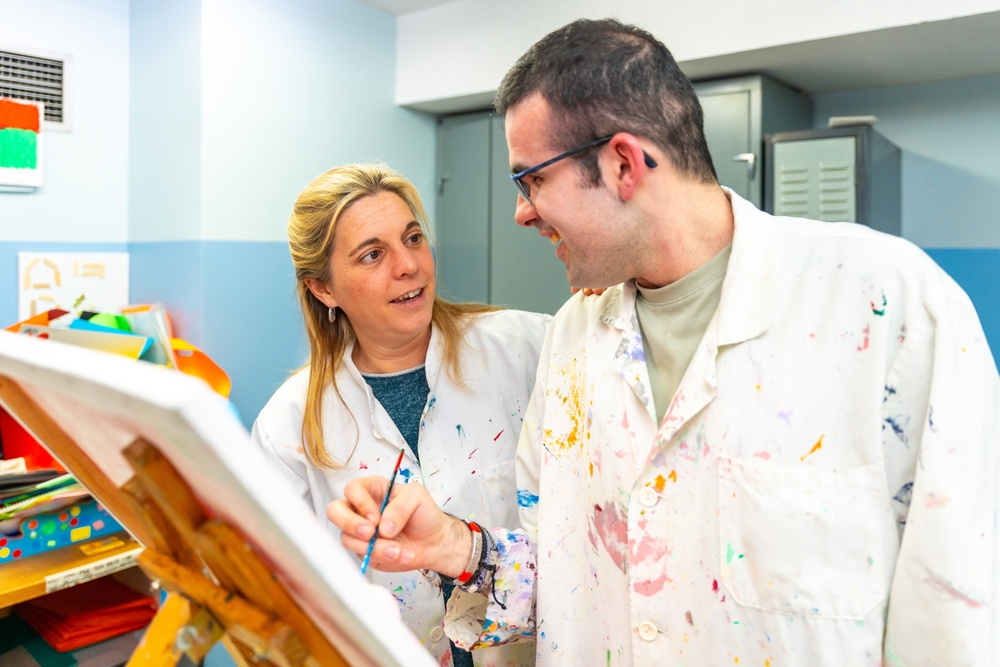
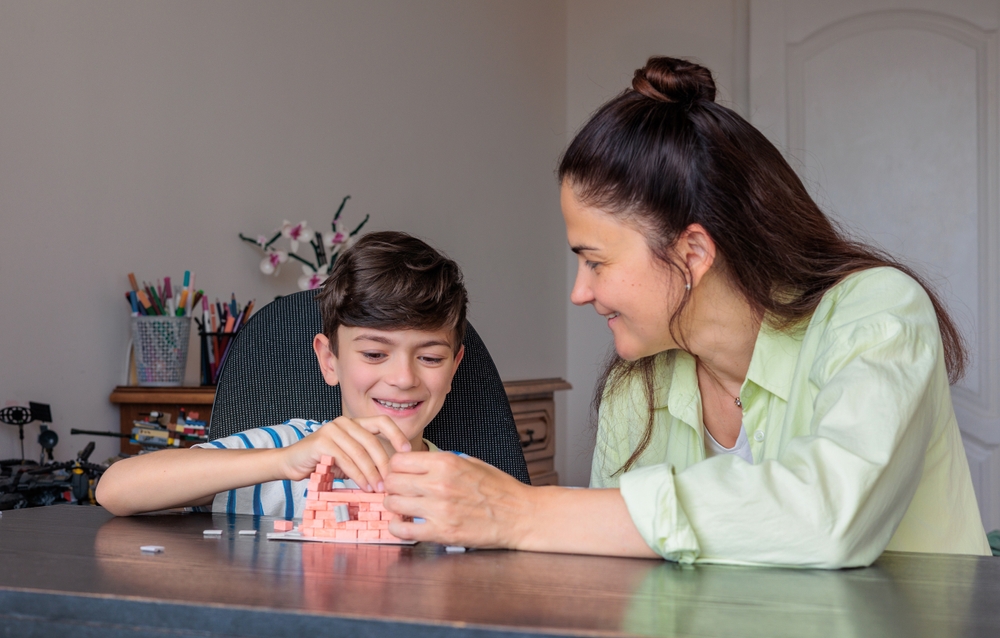
We take a positive behaviour support approach. Rather than simply reacting to behaviours, we focus on understanding the underlying triggers — whether they relate to communication, anxiety, sensory sensitivities or environmental changes.
Our team uses calm, structured strategies and consistent routines to reduce distress and promote stability, always prioritising dignity and safety.
Yes. Our carers receive specialist training in autism awareness, communication support, sensory understanding and behaviour de-escalation techniques. All staff have Oliver McGowan training and 3 day practical PMVA from BILD Accredited training providers.
Where required, care is overseen by experienced clinicians to ensure the right level of expertise is in place.
Consistency is extremely important, particularly for individuals who rely on routine and familiarity. Wherever possible, we provide a small, consistent team to build trust, reduce anxiety and create stability.
We carefully consider personality, communication style, interests and support needs when matching carers. Compatibility helps build positive relationships and long-term success.
Yes. We provide patient, structured support for individuals with limited or no verbal communication.
This may include working with communication aids, visual systems, assistive technology or alternative communication methods, in collaboration with speech and language professionals where appropriate.
Where urgent assistance is required, we aim to mobilise support quickly. We can also help develop structured care plans designed to reduce the likelihood of crisis situations through proactive, preventative approaches.
Yes. We provide both paediatric and adult learning disability and autism care, tailored to developmental stage, education needs and family involvement.
Families remain central to care planning and ongoing support. We believe collaborative care leads to better outcomes, and we maintain open communication at every stage.
Absolutely. Care packages are flexible and can be adjusted as needs evolve — whether additional daytime support, overnight care or live-in arrangements become necessary.